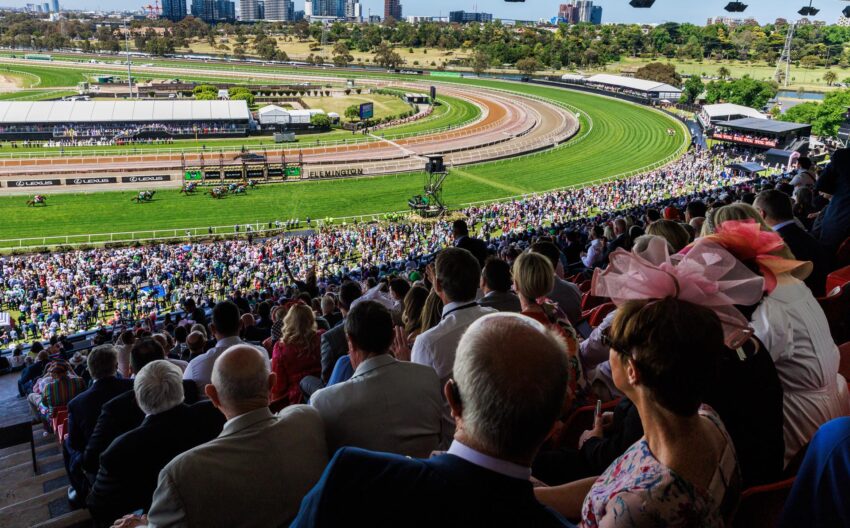
Australian horse racing is more than a collection of race meetings and famous events such as the Melbourne Cup. Behind every race is a large commercial ecosystem involving breeders, owners, trainers, jockeys, racing clubs, wagering operators, veterinarians, bloodstock agents, media companies, transport businesses and thousands of other workers.
Racing Australia describes the thoroughbred industry as contributing around A$9.5 billion to the Australian economy, with approximately 51% of that activity generated in regional Australia. The industry also supports about 75,000 jobs, while nearly 160,000 people participate as employees, owners, volunteers or other participants.
A Business Built Around the Racehorse
At the centre of the industry is the racehorse itself. A horse can generate economic activity from the moment it is bred through to its racing career and, potentially, its later breeding career.
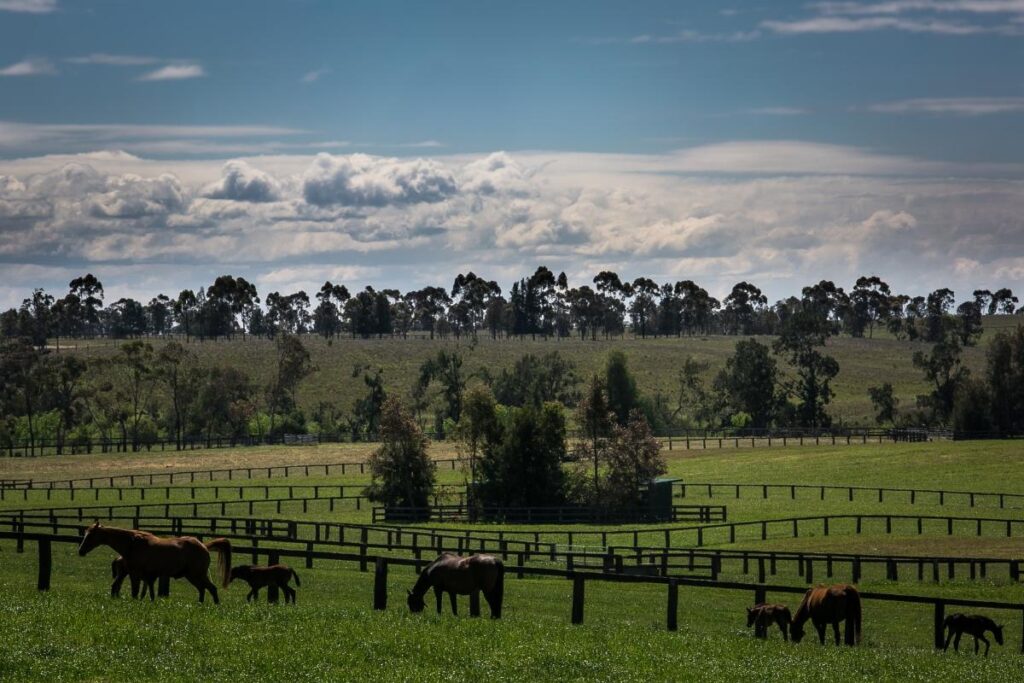
The Australian thoroughbred breeding sector includes thousands of breeders and supporting workers. Breeders generate income through the sale of foals, yearlings and other bloodstock, as well as stallion and service fees. The sector also has an international dimension, with Australian-bred horses and bloodstock participating in markets around the world.
This creates a chain of businesses around every horse:
Breeding → Sale → Ownership → Training → Racing → Wagering → Breeding or Resale
Each stage creates spending and employment.
The Economics of Ownership
Racehorse ownership is another important part of the business. Owners provide capital to purchase horses and then fund their ongoing preparation, including training, veterinary care, transportation, racing fees and other expenses.
A Racing Australia industry study found that more than 85,400 individuals held an ownership interest in thoroughbreds in 2016/17, while owners spent more than A$1.15 billion on racehorse preparation during that period. The same study recorded more than 38,000 horses in training and nearly 3,800 trainers.
Modern ownership has also become more accessible through syndication. Instead of purchasing an entire horse, multiple people can own shares in one horse. This allows racing businesses to create ownership products for people who want to participate without carrying the full cost of a racehorse.
Trainers Turn Investment Into Racing Assets
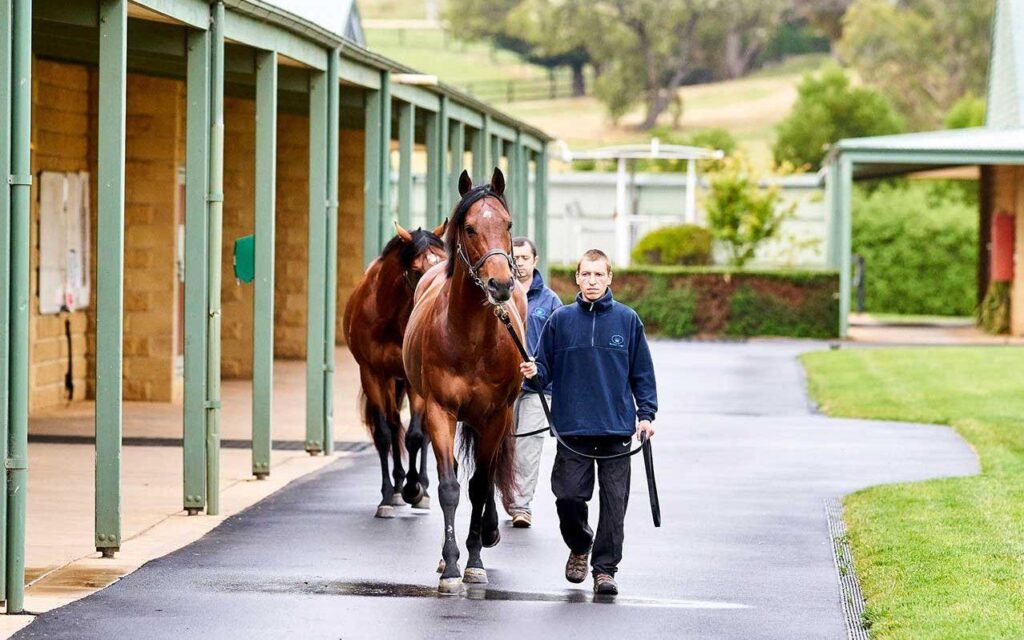
Trainers sit between ownership and racing. Their businesses require staff, stables, feed, equipment, veterinary services, transport and access to training facilities.
Training is particularly important to regional economies. Racing Australia’s economic study found that more than 70% of training expenditure occurred in regional Australia.
This explains why horse racing has an economic footprint well beyond major metropolitan tracks. A regional racing operation can support farriers, feed suppliers, mechanics, veterinarians, transport operators, accommodation providers and other local businesses.
Where Wagering Fits Into the Business
Wagering is one of the industry’s most important commercial components.
Punters bet on races through bookmakers, totalisators and other wagering channels. A portion of wagering-related revenue ultimately contributes to the racing ecosystem through mechanisms such as product fees and industry funding.
An earlier Racing Australia economic study estimated that racing and wagering activities generated more than A$4.2 billion in direct expenditure, making it the largest component of the industry’s direct spending at the time of the study.
The business relationship is therefore circular:
More racing → more betting opportunities → wagering revenue → industry funding → racing infrastructure and prize money → stronger racing activity.
Prize Money Drives Competition
Prize money is another major economic engine.
Australia has developed a reputation for substantial racing purses, particularly in major metropolitan racing. Aushorse currently highlights Australia’s large prize-money market and notes that there is a race worth A$1 million or more approximately every 3.3 days.
High prize money can influence purchasing decisions in the bloodstock market. Owners and investors may be attracted by the possibility of competing for substantial purses, while breeders can benefit when successful bloodlines become more commercially valuable.
This creates another important relationship:
Prize money → ownership demand → bloodstock demand → breeding investment → racing supply.
Racing Clubs Are Entertainment Businesses Too
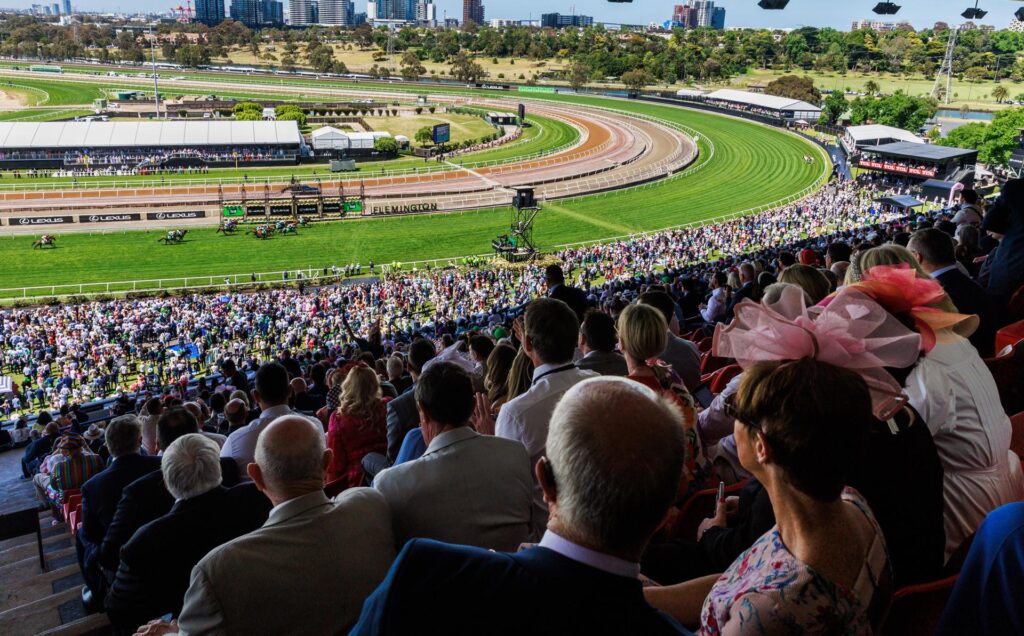
Race clubs are not simply organisations that conduct races. Major clubs operate venues that combine sport, hospitality, entertainment, corporate events and wagering.
Race days can generate revenue through:
- Admission and hospitality
- Food and beverage
- Corporate packages
- Sponsorship
- Advertising
- Memberships
- Venue hire
- Media and broadcasting arrangements
- Wagering-related activity
Major racing events can therefore function as large-scale entertainment products as well as sporting competitions.
The Regional Economy
One of the less visible sides of Australian racing is its regional economic impact.
Racing Australia’s current description of the industry estimates that approximately A$4.8 billion of economic activity is generated in regional Australia.
This is significant because many businesses connected with breeding, spelling, breaking-in, training and horse transport operate outside Australia’s major cities.
A regional racing operation can therefore create a network of economic activity involving:
Farmers → breeders → feed suppliers → veterinarians → farriers → trainers → transporters → racing clubs → hospitality businesses.
The race meeting may last only a few hours, but the commercial activity supporting it can continue throughout the year.
Media and Digital Racing
The modern racing industry is also increasingly dependent on media.
Television coverage, racing websites, race databases, social media, podcasts, video content and digital advertising have created another commercial layer around racing.
For publishers and media businesses, racing provides a constant stream of content:
- Race previews
- Form analysis
- Trainer interviews
- Jockey profiles
- Bloodstock news
- Race results
- Betting information
- Major-event coverage
- Behind-the-scenes stories
- Racing business news
This has created opportunities for specialist digital publications serving particular states, regions, racecourses or racing communities.
Employment Beyond the Racetrack
The scale of the industry becomes clearer when looking beyond obvious racing jobs.
Racing Australia’s economic study estimated that thoroughbred racing directly sustained 32,801 full-time-equivalent positions, with another 39,136 FTE jobs supported indirectly, for a total impact of approximately 71,937 FTE positions in the study period.
The wider business ecosystem includes:
Jockeys and trainers
Stable staff
Veterinarians
Farriers
Breeders
Bloodstock agents
Racecourse employees
Transport operators
Feed and agricultural suppliers
Equipment manufacturers
Media and broadcasters
Marketing agencies
Hospitality workers
Wagering businesses
Technology providers
This is why horse racing is better understood as an industry ecosystem rather than simply a sport.
The Business Cycle of Australian Racing
The Australian model can be visualised as a continuous commercial cycle:
Breeding
↓
Bloodstock sales
↓
Ownership & syndication
↓
Training
↓
Race meetings
↓
Wagering & media
↓
Prize money & industry revenue
↓
Reinvestment into horses, breeding and racing
The cycle brings together sport, entertainment, agriculture, finance, hospitality and media.
Looking Ahead
The future business of Australian racing is likely to depend on how effectively the industry balances traditional racing participation with changing consumer behaviour.
Digital media, ownership syndicates, international bloodstock markets, premium racing events and new forms of fan engagement provide potential avenues for the industry to develop further. At the same time, racing businesses must operate within regulatory frameworks and respond to changing attitudes toward wagering and animal welfare.
The important point is that Australian horse racing is already a substantial commercial ecosystem. Its economic importance is not confined to the famous races seen on television. It extends from breeding farms and regional training centres to city racecourses, wagering businesses, media organisations and hospitality venues.