The most interesting way to understand Australian horse racing is to follow the money.
A single race may look like a simple contest between horses, but the economics surrounding it involve breeders, owners, trainers, race clubs, wagering businesses, media organisations, suppliers and hospitality operators.
It Begins With Breeding
The first stage is often breeding.
A breeder invests in a mare, breeding services, veterinary care and the development of a foal. Eventually the horse may be sold, retained or transferred into another ownership structure.
Money has already moved several times before the horse ever reaches a racetrack.
Then Comes Ownership
An owner buys or acquires an interest in the horse.
From that point, ongoing expenditure begins: training, veterinary care, transport, registration and other costs.
The owner’s spending becomes income for other businesses.
Training Converts Spending Into Competition
The trainer takes responsibility for preparing the horse.
Training fees support a stable operation, which in turn pays employees and suppliers.
The horse then enters races, creating another layer of activity.
The Racecourse Activates the Market
Once the race is scheduled, the racecourse becomes the centre of a much larger commercial event.
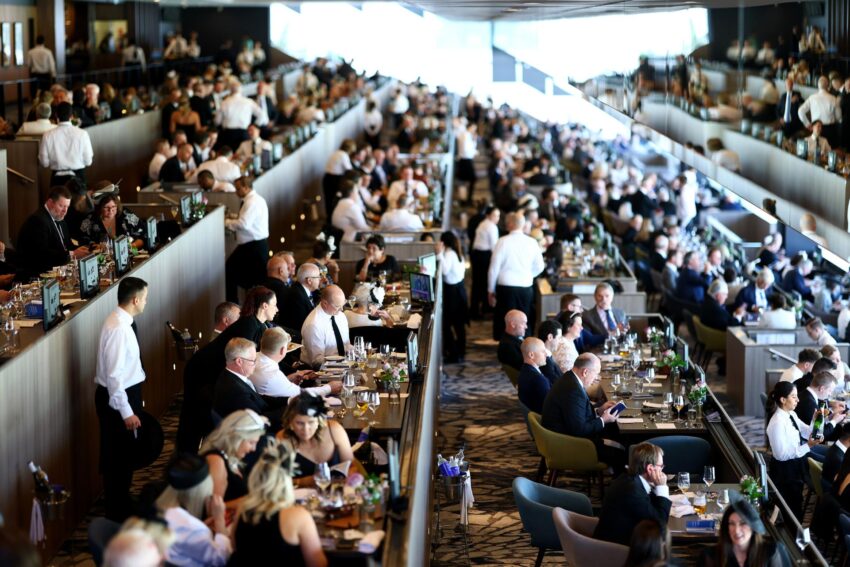
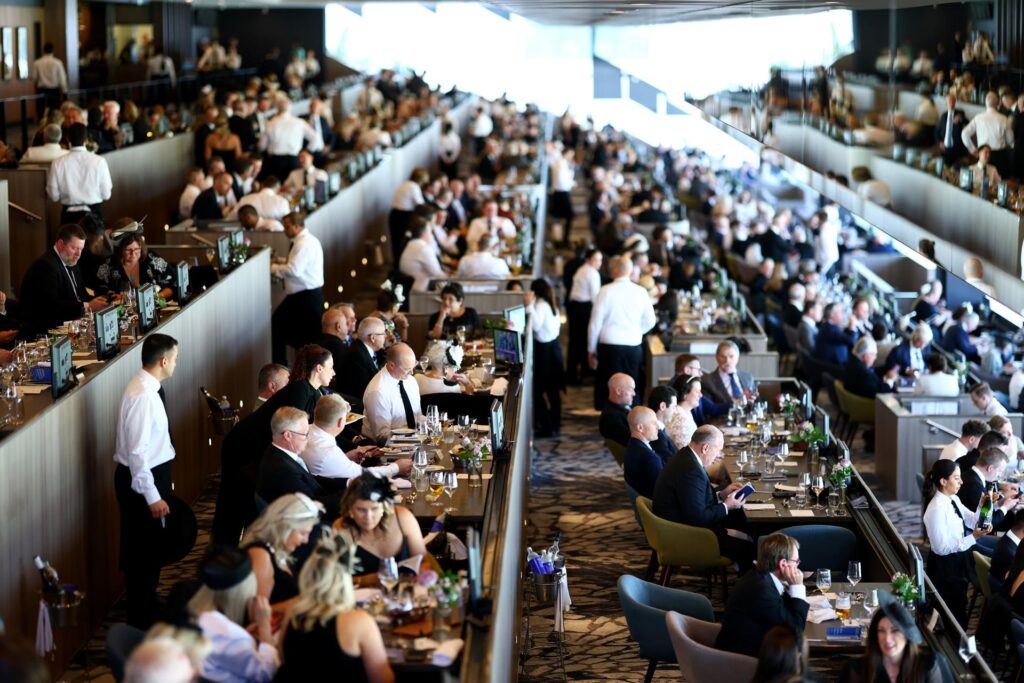
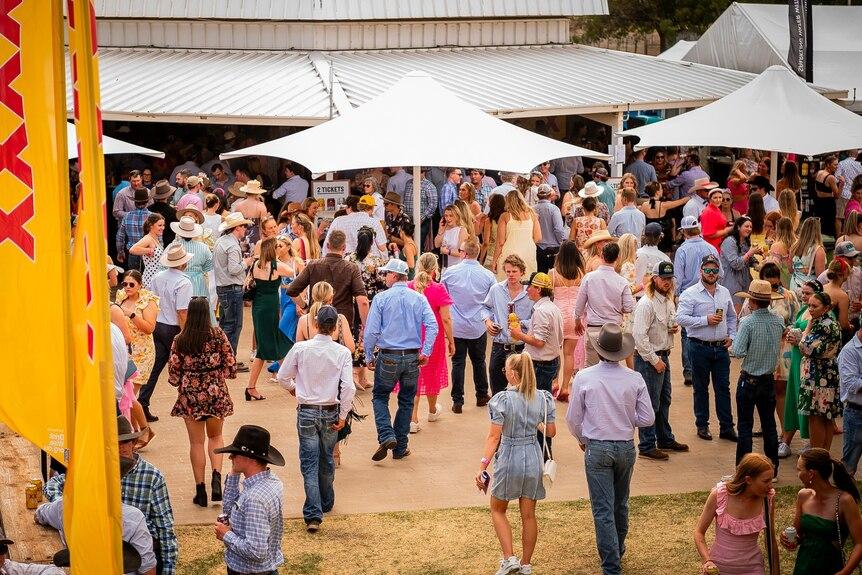
Spectators may buy tickets. Corporate customers purchase hospitality. Sponsors promote their brands. Media companies produce coverage.
Wagering businesses offer markets around the race.
Prize Money Feeds the Next Cycle
Prize money flows back into the ownership and racing ecosystem.
Racing Australia’s 2024/25 statistics recorded close to A$1 billion in national prizemoney, illustrating the scale of this component of the racing economy.
Winners may receive financial returns, while successful performances can also influence future breeding and bloodstock values.
The Cycle Continues
The most important feature of racing’s economics is that the money does not move in one direction.
It circulates.
Breeding creates horses.
Sales create ownership.
Ownership funds training.
Training creates racing.
Racing creates wagering, media and hospitality.
Prize money and commercial returns help fund the next investment.
This continuous cycle explains why racing supports such a broad range of businesses.
The Real Business of Racing
The finish line is therefore not the end of the economic story.
It is another starting point.
A successful horse can influence the next breeding season. A successful trainer can attract new owners. A major race like the Melbourne Cup can strengthen a sponsor’s visibility. A strong event can bring more visitors to a racecourse.
Australian racing is, in effect, a circular economy built around the performance and commercial potential of the thoroughbred.
Follow the horse, and you eventually discover an entire business network moving with it.