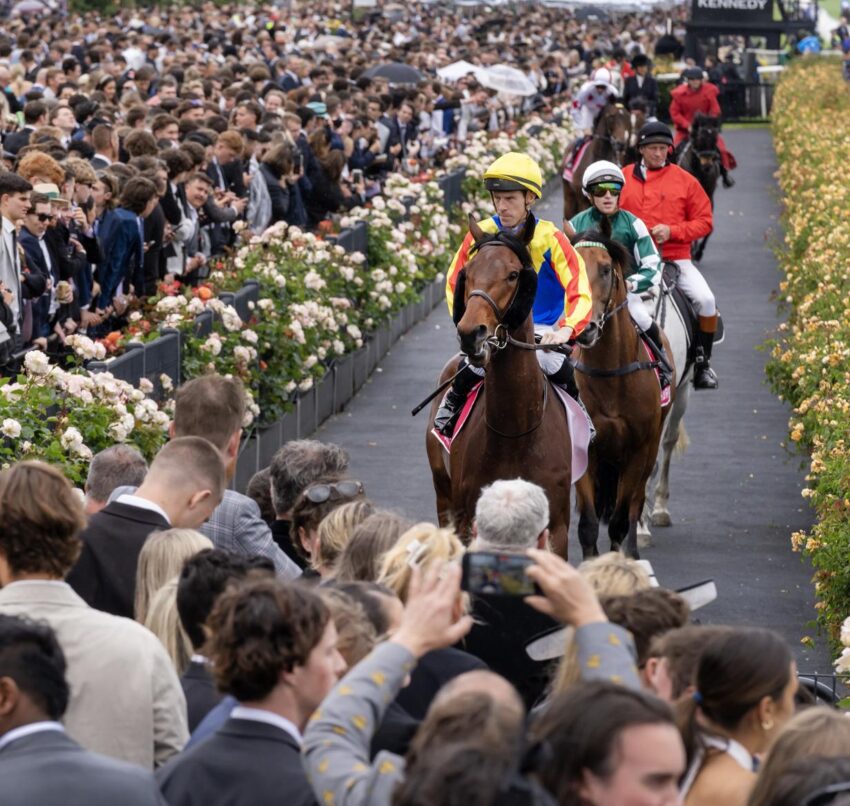
When the gates open at a major Australian race meeting, the attention is naturally on the horses, jockeys and trainers. But behind those few minutes of racing sits a much larger commercial machine.
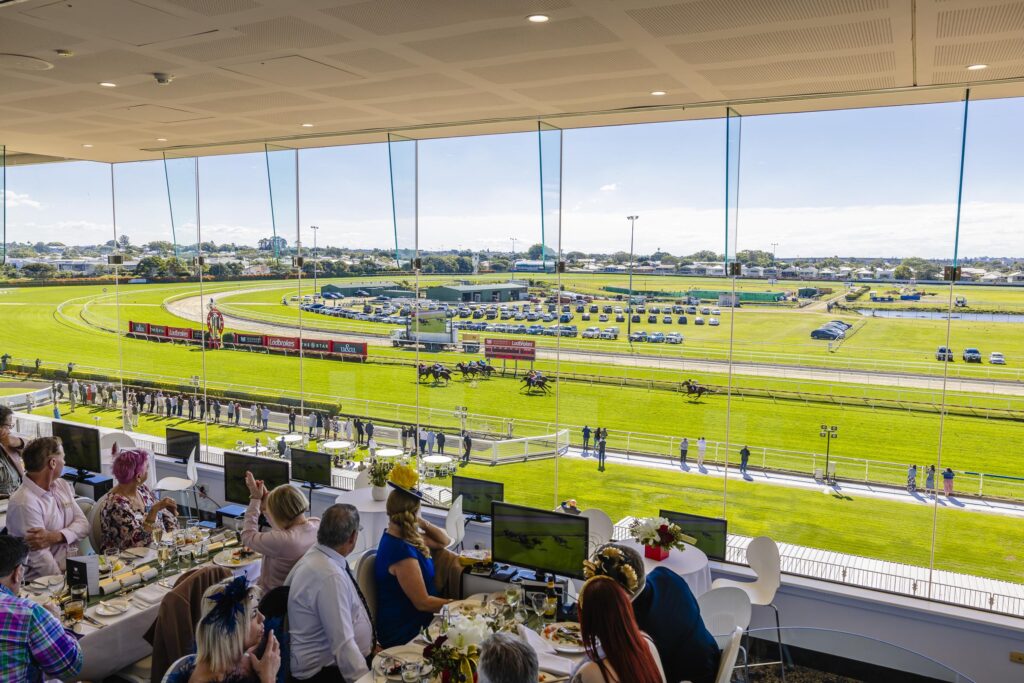
Australian thoroughbred racing is an industry that connects agriculture, finance, retail, technology, media, hospitality and entertainment. Racing Australia’s 2025 Fact Book estimates that the industry contributes around A$9.5 billion to the Australian economy, with approximately A$4.8 billion generated in regional Australia. It also says the industry provides jobs for about 75,000 Australians.
The fascinating part is that much of this business activity is almost invisible to the average racegoer.
The First Business: Finding the Next Racehorse
Long before a horse appears on a racecourse, it becomes part of a highly specialised breeding business.
Breeders select stallions and mares based on bloodlines, performance, pedigree and commercial potential. A successful mating can eventually produce a valuable yearling, making genetics one of the industry’s most important assets.
Australia’s breeding industry also feeds a major bloodstock market. Yearling sales conducted by companies such as Inglis and Magic Millions connect breeders with owners and investors, while bloodstock agents help buyers assess prospective purchases. Aushorse says auction-house bonus opportunities now exceed A$34 million, while state-based bonus schemes collectively exceed A$70 million.
In other words, buying a racehorse is not simply a sporting decision. It is a transaction within a sophisticated agricultural and investment market.
The Sales Ring Is a Marketplace of Its Own
For a few minutes in an auction ring, a horse can attract bids worth tens or hundreds of thousands of dollars.
Behind each sale are vendors, auction companies, bloodstock agents, veterinarians, photographers, transport businesses and farm employees. The sale price is only one part of the commercial activity.
The buyer may then spend years paying for training, veterinary treatment, insurance, transport and race entry costs.
That creates an important feature of the racing economy: one horse can generate revenue for dozens of businesses throughout its life.
Trainers Run More Than Stables
The public generally sees a trainer as the person who prepares a horse to race. Economically, a successful training operation looks much more like a specialised small business.
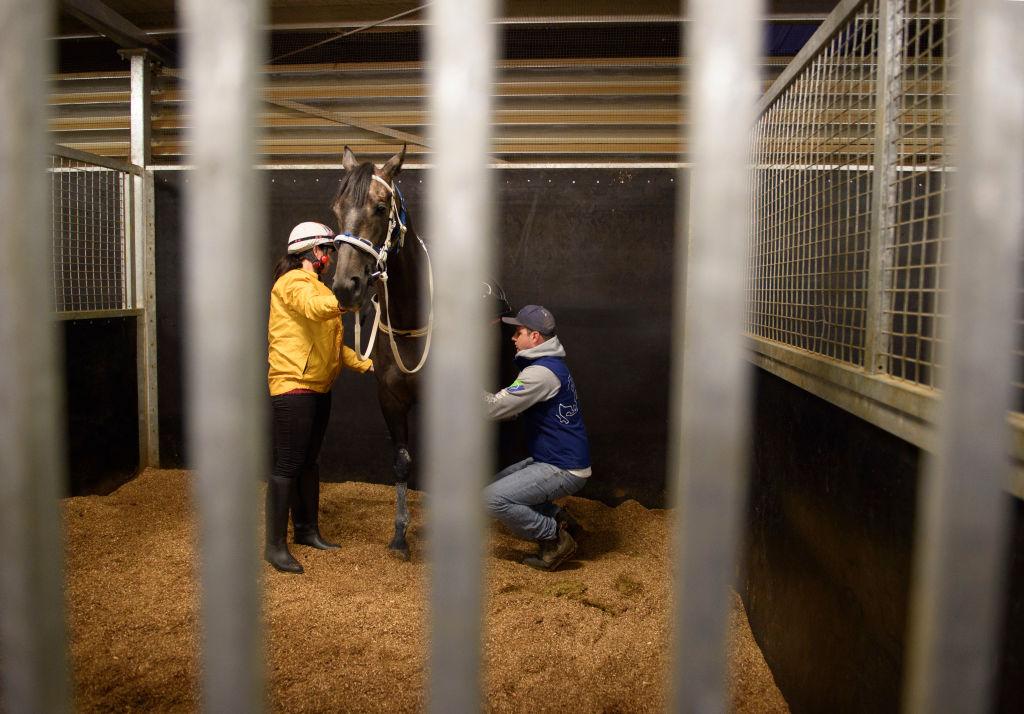
Trainers employ stable staff, organise veterinary care, purchase feed and equipment, arrange transportation and manage racing schedules. Racing Australia’s 2024/25 statistics recorded 2,661 trainers, 850 jockeys and 35,675 active horses across flat and jumps racing.
The industry’s regional footprint makes this particularly significant. A training centre in a rural or regional community can support businesses far beyond the stable itself.
Feed merchants, farriers, mechanics, truck operators, fencing contractors, property managers and local accommodation providers can all benefit from the racing economy.
Technology Has Become Part of Racing Infrastructure
Horse racing may be centuries old, but the modern business increasingly relies on technology.
Racing Australia describes itself not only as the national racing body but also as a software and services company, operating the Single National System used for core national racing transactions. It also manages racing information, ownership records, breeding records and content services.
This means another group of businesses now sits behind the sport: software developers, data providers, photographers, streaming companies, telecommunications providers and digital media organisations.
For the modern racing industry, data is an asset almost as important as the horse.
Big Prize Money Creates a Commercial Ripple Effect
Australia’s high-value races attract enormous attention because prize money influences the economics of ownership and investment.
In the 2024/25 season, Australian racing distributed approximately A$1.033 billion in total prizemoney including trophy value, according to Racing Australia’s Fact Book.
The top end of the market is particularly striking. In the 2024/25 season, The TAB Everest carried A$20 million in advertised prize money, while the Golden Eagle offered A$10 million and the Melbourne Cup A$7.75 million.
Large purses do not benefit only the eventual winner. They can increase interest in ownership, breeding, bloodstock sales, sponsorship, media coverage and race-day attendance.
The money therefore moves through the industry rather than stopping at the winning horse.
Racecourses Are Entertainment Businesses
Another hidden side of racing is the transformation of racecourses into entertainment venues.
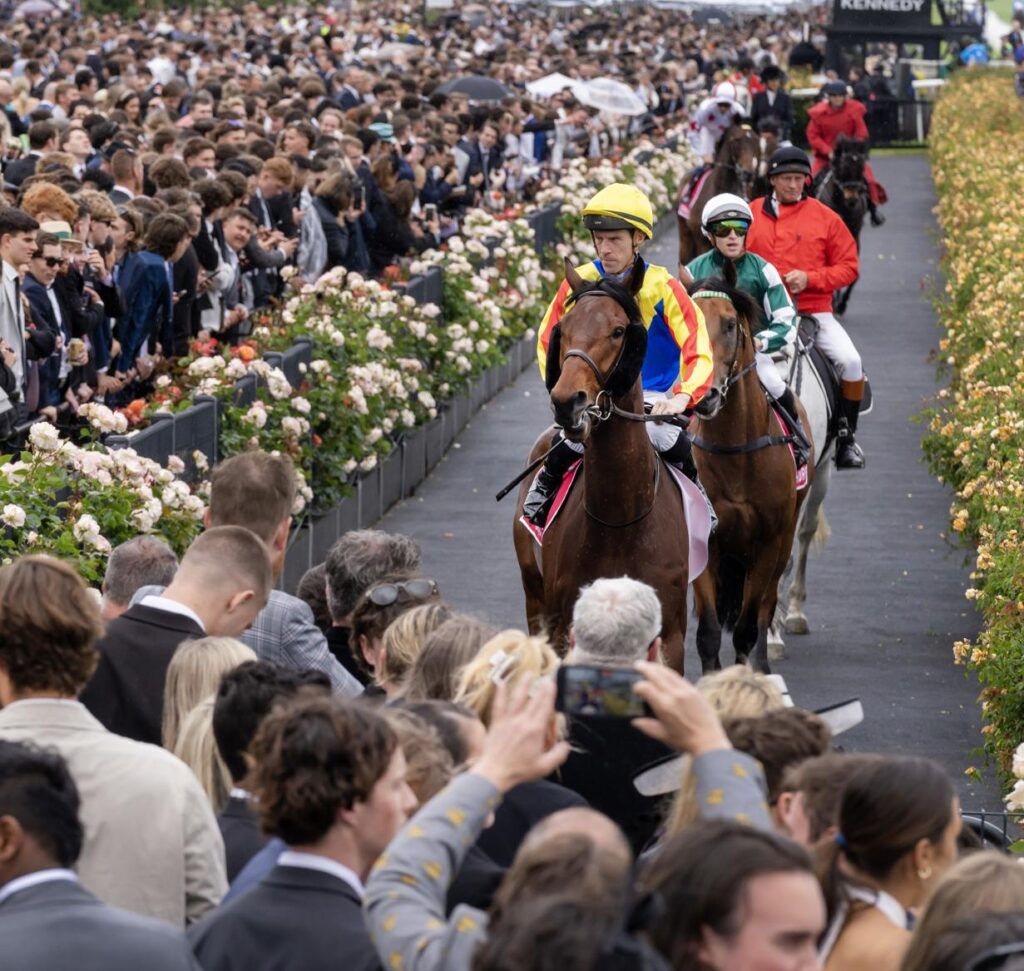
A major metropolitan meeting can bring together racing, restaurants, bars, corporate hospitality, sponsorship, advertising, fashion and media. For major race clubs, the race itself is only one component of the day’s commercial product.
The 2024/25 Fact Book lists 387 race clubs across Australia, illustrating the size of the organisational network behind the sport.
The economic impact becomes especially visible during major carnivals, when hotels, restaurants, transport companies and other local businesses can benefit from increased visitor activity.
The Wagering Industry Creates Another Revenue Stream
Betting is deeply connected to the financial structure of Australian racing.
The 2024/25 national statistics recorded 383 bookmakers and exchange operators, along with 17,100 TAB races during the season.
Wagering creates activity for bookmakers, betting platforms, data providers and media companies while also contributing to the broader funding model supporting racing.
This is why the industry’s business model cannot be understood by looking only at ticket sales or prize money. Racing, wagering and media operate as interconnected parts of the same commercial ecosystem.
Regional Australia Is One of the Biggest Beneficiaries
The phrase “Australian horse racing” can create an image of Flemington, Randwick or a major metropolitan race day.
Yet a substantial part of the industry exists outside Australia’s capital cities.
Racing Australia estimates that 51% of the industry’s economic activity—about A$4.8 billion—is generated in regional Australia, while 63% of people participating in the thoroughbred industry live in regional areas.
Breeding farms, spelling properties, training centres and smaller race clubs create economic activity in communities that may have relatively few other large industries.
That makes racing not only a sporting business but also an important regional business network.
Where the Real Opportunities Exist
The most interesting aspect of Australian racing may be the number of businesses that do not actually involve owning a racehorse.
There are opportunities in:
Bloodstock and breeding — selling, transporting and managing horses.
Veterinary services — health, diagnostics, surgery and rehabilitation.
Feed and equipment — supplying stables and farms.
Transport — moving horses between farms, sales and racecourses.
Technology and data — race information, registrations and digital products.
Media — websites, video, photography, broadcasting and racing publications.
Hospitality — corporate events, restaurants, hotels and race-day experiences.
Marketing and sponsorship — connecting brands with racing audiences.
The horse remains at the centre, but the commercial ecosystem surrounding it is much larger.
A Sport That Behaves Like an Industry
The modern Australian thoroughbred sector is best understood as a chain of businesses rather than a single sporting product.
A foal creates work for a breeder.
A yearling creates a sale opportunity.
A racehorse creates work for trainers and suppliers.
A race meeting creates betting, media and hospitality activity.
A successful horse can create additional value through prize money and breeding.
The result is a continuous economic cycle stretching from rural properties to major city racecourses.
That is the real business behind Australian horse racing: the race may last minutes, but the industry supporting it operates every day of the year.