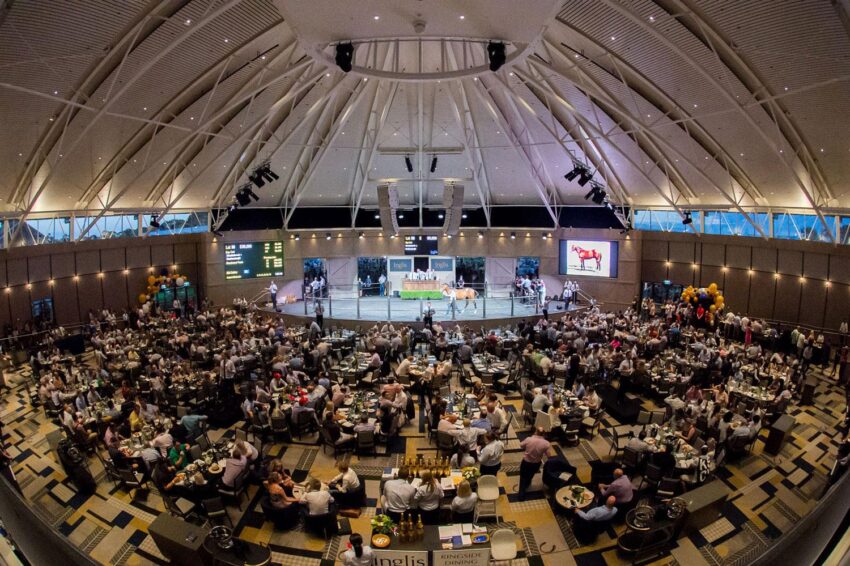
For a casual racing fan, a horse sale can look like a few minutes of bidding and a final price.
For the Australian thoroughbred industry, it is much more than that.
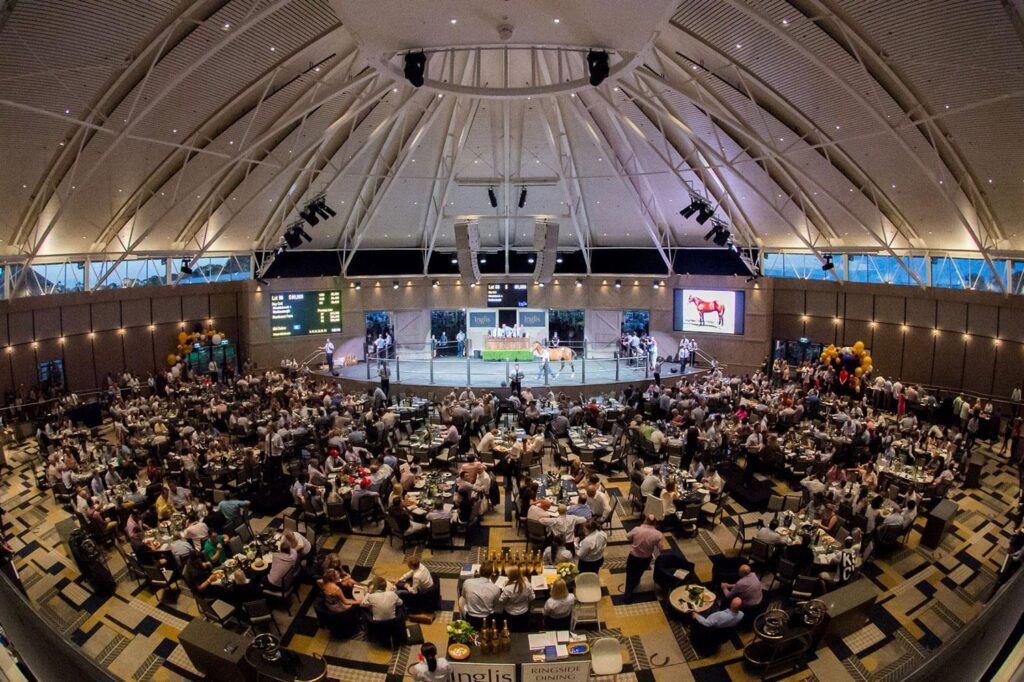
Bloodstock auctions bring breeders, owners, syndicators, trainers, agents and investors together in one of the industry’s most important commercial marketplaces. The horse entering the ring is not simply a future competitor—it is a potential racing and breeding asset.
From Farm to Auction
The journey to the sales ring begins months or years earlier.
Breeders prepare young horses for presentation, managing their nutrition, health, development and physical condition. Before a sale, buyers and their advisers examine pedigrees, veterinary information and the physical characteristics of individual horses.
The auction therefore represents the point where breeding decisions meet market demand.
Australia has a well-established bloodstock auction industry, with major sales organisations supporting yearling and other thoroughbred sales. Racing Australia’s Fact Book records Australian sales results as a distinct part of the national racing industry’s statistics.
Where Buyers Make Their Decisions
A buyer may be looking for a future Group-level horse, a promising racehorse for a syndicate or a horse with long-term breeding potential.
Different buyers can therefore assign very different values to the same animal.
Pedigree, physical development, family history and veterinary assessments can all influence bidding. The auction ring then converts those assessments into a market price.
That price can have consequences beyond the transaction itself.
A high-profile purchase may attract publicity, syndication interest and additional commercial attention. A horse bought cheaply and developed successfully can create a very different commercial story.
The Business Around the Auction
The auction company is only one part of the market.
Bloodstock agents advise buyers and sellers. Veterinarians conduct examinations. Transport companies move horses. Photographers and media organisations document the sales. Accommodation providers and hospitality businesses benefit from visiting participants.
This means a major auction can operate like a temporary business hub.
It brings together buyers from Australia and overseas while creating activity for businesses connected to the bloodstock trade.
Why Sales Matter to Racing
The sales market gives the broader racing industry a way to recycle investment.
Breeders sell horses to generate capital. Buyers purchase horses hoping to turn that investment into racing success, prize money or future breeding value. Successful horses can then influence future bloodstock demand.
The cycle can continue for generations.
The Auction Is Only the Beginning
Buying a horse is not the end of the financial commitment. Once the sale is complete, the owner may face years of expenses involving training, veterinary care, transport, insurance, registration and racing.
That is why the bloodstock auction should be viewed as the entry point to the racing business, not the entire business.
Behind every bid is a calculation about the future—and behind every horse in the auction ring is an industry waiting to see what that investment becomes.